
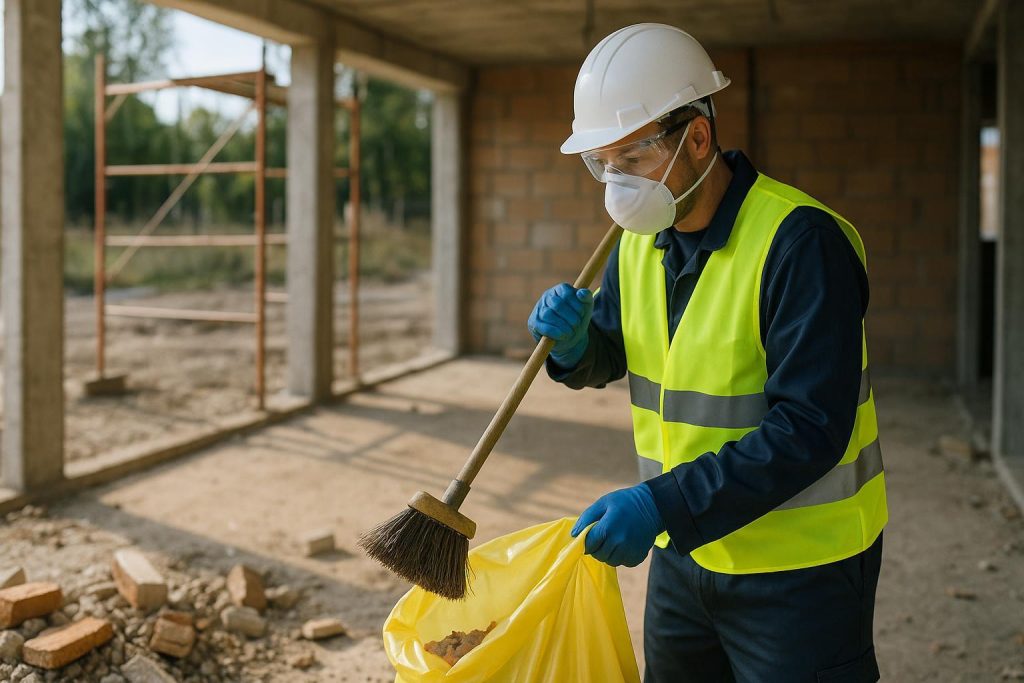
The Essential Role of a Construction Cleaner
When a new building or renovation project is coming to a close, a lingering question might remain: how do you ensure the space looks and feels ready for occupants? The answer often lies with a specialized construction cleaner. Construction cleaners play a vital part in preparing and maintaining job sites, supporting both safety and aesthetics. They remove debris, control dust, dispose of potential hazards, and streamline final touch-ups before turnover. In many ways, these professionals operate as the final step toward a successful, client-ready building.
Every construction project, whether it is a small office build-out or an expansive facility development, generates a substantial amount of debris. Leftover materials, sawdust, packaging, and other items accumulate quickly. The job of a construction cleaner goes beyond simply sweeping away waste. It also involves monitoring the space to ensure areas remain safe and accessible for workers and visitors. By doing so, they help reduce accidents, shorten project timelines, and improve the overall efficiency of the ongoing work. This benefit is often felt acutely in fast-paced commercial environments, where maintaining a well-kept site means fewer delays and smoother transitions to the next phases of construction or post-construction occupancy.
Key Responsibilities at a Glance
While the duties of a construction cleaner can vary depending on the project scope and scale, most will handle several primary tasks. Below are some core responsibilities that define their role:
- Debris Removal: One of the first tasks is clearing out leftover construction materials, such as scrap wood, metal shards, and packaging. This process eliminates trip hazards, helps prevent accidents, and keeps priority pathways open.
- Dust Control: With drywall cutting, sanding, and other building activities, dust can build up quickly. Construction cleaners thoroughly sweep floors, vacuum carpets or mats (if present), and wipe surfaces to minimize airborne particles.
- Surface Cleaning: After the big debris is removed, the next step is cleaning and disinfecting surfaces. This might include countertops, fixtures, doorknobs, light switches, and other high-touch points.
- Window and Frame Wiping: Windows, door frames, and glass panels often accumulate dust during the construction process. Construction cleaners carefully wipe these surfaces to remove smudges, stickers, or construction residue.
- Safety Compliance: In some cases, it is the construction cleaner’s job to tag or label certain rooms or areas that need restricted access, especially if they are not yet safe for entry. They help ensure the site meets safety standards set by local regulations or the project’s safety manual.
- Waste Disposal: Properly sorting and disposing of waste is an important part of protecting the environment and ensuring the site remains hazard-free. Construction cleaners often work with designated dumpsters or bins to organize materials correctly.
- Final Touch-Ups: Toward a project’s conclusion, they might polish floors, disinfect surfaces, and restore areas to a presentable state, making the space truly move-in ready.
Phases of Construction Cleaning
Many construction cleaners perform their work in multiple stages, each corresponding to a different phase of the overall building process. Understanding these phases helps illustrate how thorough and detailed the work can be:
- Rough Cleaning: After the main framing, electrical work, and plumbing are in place, crews often move in to remove larger debris. Although the structure might still be incomplete, this phase keeps the site clean enough for contractors to navigate safely.
- Light or Intermediate Cleaning: Partway through finishing tasks—like installing drywall, painting, or flooring—construction cleaners address dust buildup, sweep areas, and clear leftover materials. This step keeps the project moving smoothly, ensuring tradespeople do not trip over clutter.
- Final Cleaning: Once construction nears completion, cleaners take detailed steps to polish surfaces, deep-clean floors, and remove lingering dust. Windows, doors, surfaces, and fixtures are washed and sanitized. In high-traffic locales, they may also reorganize equipment or ensure protective coverings are removed from new appliances or furniture.
By partitioning the cleanup into these phases, the construction cleaning process becomes more manageable and efficient. It also ensures that workers across different responsibilities—electricians, carpenters, painters, and others—can work without unnecessary clutter, reducing safety risks and improving productivity.
Maintaining a Safety-Forward Environment
Construction sites can be hazardous places. Saw blades, unsecured scaffolding, chemical spills, and uneven floors are just a few of the potential risks. A primary value of a construction cleaner is the vigilance they bring to mitigating these hazards. By removing debris quickly and inspecting for unsafe conditions—like exposed nails or tools in passing areas—they can help prevent injuries.
In many commercial settings, cleaners follow an established safety protocol that respects unique environments. For instance, if the project is in an active facility, such as a hospital wing or an office wing undergoing renovations, construction cleaners must be attentive to safety measures for staff and visitors. They often follow official guidelines for dust control, air quality measures, noise considerations, and chemical handling. In some cases, cleaning staff receive specialized training in hazard communication and are required to use site-specific personal protective equipment. This culture of safety helps everyone—project managers, material suppliers, and site workers—focus on their tasks more efficiently without the distraction of clutter and potential harm.
Dust Control and Air Quality
Dust is more than just a housekeeping annoyance. It can also pose health risks. Fine particles from drywall compound, concrete, and other building materials become airborne very easily, irritating the lungs, eyes, and skin. Construction cleaners address this by using proper ventilation techniques, employing high-efficiency vacuum systems, and applying safe damp-wiping methods on surfaces.
In larger commercial developments, certain regulations may require continuous dust control efforts. For example, on active projects, you often see matting systems at entrances to capture debris before it circulates further. Construction cleaners manage these mats and frequently damp-mop corridors to trap and remove dust from the air. This proactive approach not only ensures a more pleasant workspace, but it also aids in delivering a finished site that feels clean from the moment the final inspection is completed.
Tools and Equipment Commonly Used
Effective construction cleaning depends on quality tools and equipment. Professional cleaners typically rely on items such as:
- Commercial-Grade Vacuums: Equipped with HEPA filters to capture fine particles more effectively.
- Industrial Mop Systems: Durable, often with microfiber heads designed to pick up and trap dust.
- Protective Gear: Gloves, masks, goggles, and sometimes respirators to safeguard the cleaner from harmful substances.
- Cleaning Solutions: Specialized detergents and disinfectants that break down construction grime and dirt while meeting safety standards.
- Large Trash Bins and Bags: Often labeled for different waste categories—wood, metal, plastic—to simplify disposal and protect the environment.
Besides these tangible resources, construction cleaners typically carry a thorough checklist or scope of work that outlines exactly which tasks to complete. This system-based approach helps ensure accountability, keep the project on schedule, and maintain the site’s overall cleanliness.
Collaboration with Contractors and Other Teams
Despite their crucial presence, construction cleaners do not usually operate in isolation. They collaborate regularly with general contractors, electricians, and project managers to coordinate schedules and determine optimal times to tidy up specific areas. For instance, if carpenters are installing new cabinets, the cleaning staff would plan around that timeline, ensuring debris is removed both before and after installation. This step-by-step alignment reduces the chance of accidents and keeps building materials from being damaged or misplaced.
In bustling commercial jobs, the benefits of professional coordination become even more evident. Timely cleaning helps tradespeople maneuver their tools more easily and focus on their tasks without wading through mess. Project managers appreciate this coordinated effort because it simplifies oversight, ensures safety compliance, and reduces wasted labor hours. When every party understands the cleanup timeline and priorities, large projects typically remain on target for completion.
Overlap with Commercial Cleaning Services
While construction cleaning has unique demands, there is often some overlap with general Commercial Cleaning Services. For instance, during the final stages of a build, many surfaces need disinfecting and polishing similar to what routine office cleaning might cover. Gathering and disposing of trash, maintaining presentable walkways, and sanitizing high-touch points can look quite similar to the tasks found in a standard commercial cleaning checklist. The main difference is often the volume and type of debris, which tends to be more significant and specialized in a construction environment.
Professional construction cleaners may adopt or adapt advanced safety protocols and scheduling methods typically used in commercial environments. For example, if a project is in a corporate building, cleaning could be scheduled in the early morning or late evening to avoid interfering with employees. This level of flexibility and attention to detail can make a significant difference for property managers or business owners who want minimal disruption.
Detail Work and Final Touches
Beyond simply dusting and mopping, construction cleaners often conduct a meticulous final inspection to enhance the completed space. This could involve tasks like:
- Spot Cleaning Walls and Baseboards: Removing scuffs or faint pencil marks that might be left from measurements or moving equipment.
- Stain and Residue Removal: Addressing adhesive residue from protective film or tape on newly installed windows or floors.
- Polishing Fixtures and Surfaces: Ensuring sinks, countertops, and restroom areas shine. They may also wipe down metal fixtures to remove any water spots or fingerprints.
- Rechecking High-Touch Areas: Large commercial buildings may have multiple entrances, lobbies, or elevator banks. Construction cleaners go back through these spaces to tackle any missed grime and ensure a cohesive look.
- Final Dust Elimination: One last pass with a vacuum or microfiber cloth ensures that dust does not linger on shelves, window sills, or newly installed furniture.
This detailed touch is what transforms a freshly built structure into a place that feels ready for occupancy. For clients—be they property managers, business owners, or project managers—a well-executed final cleaning can dramatically elevate the perceived quality of the entire construction project.
How Construction Cleaning Improves Overall Project Efficiency
Maintaining a clean, organized construction site has benefits that go beyond just aesthetics. When debris is removed effectively and promptly, the risk of accidents decreases, which can otherwise lead to costly downtime and extra labor. A clutter-free environment also helps workers concentrate, speeding up completion time. This streamlined approach can save money in the long run and reduce the chance of budget overruns arising from schedule delays or unexpected safety incidents.
Additionally, a cleaner site allows for clearer inspections. Many municipal or third-party inspectors prefer to examine sites that are neat and well-managed because any underlying issues—like cracks or structural problems—are easier to spot. This transparency is crucial for passing compliance checks, securing the necessary occupancy approvals, and confidently turning buildings over to owners.
Expert Tips for Hiring Construction Cleaners
Choosing the right construction cleaner is an investment in both safety and presentation. Below are a few tips to help you make the best decision:
- Look for Relevant Experience: Seek professionals with a proven track record in either commercial and construction settings. They will likely be more adept at handling specialized debris and following stricter safety protocols.
- Ask About Checklists and Scopes of Work: A reliable provider will outline exactly what is included, from rough cleaning to final detailing. Avoid vague promises and insist on specific, measurable task lists.
- Verify Safety Practices: Reputable companies maintain up-to-date safety certifications and may rely on COR-based manuals or equivalent best practices. This is especially vital when working in larger commercial or industrial environments.
- Discuss Scheduling Flexibility: Construction timelines are often fluid. Make sure your cleaning partner can accommodate potential shifts in your project schedule.
- Look for Specialized Tools and Methods: This might include HEPA vacuums, microfibre systems, or single-use mop heads that help reduce cross-contamination.
Ultimately, the right construction cleaner helps ensure a safer site, controlled dust and debris, and a more seamless transition from construction zone to finished work environment.
By understanding the duties of a construction cleaner, project managers, general contractors, and property developers can better appreciate the role these professionals play in safeguarding overall productivity. From removing hazardous materials to methodically polishing new floors, construction cleaners ensure that each phase of the build progresses without unnecessary snags or health risks. In short, they contribute significantly to both the integrity and final appearance of any construction project.
When it all comes together, a dedicated group of construction cleaners helps deliver a top-notch space that meets safety requirements and impresses clients from the moment they set foot on-site. Their labor not only benefits the smooth operation of a job site but also ensures a building’s final presentation surpasses expectations.