Why Cleaning Plays a Vital Role in Facility Maintenance
Many people wonder if cleaning should be viewed as a component of maintenance or as a separate undertaking. In a commercial setting, comprehensive maintenance practices typically involve much more than just fixing broken items or replacing worn parts. They also include proactive efforts to support the longevity of assets, preserve safety standards, and maintain a positive workplace environment. By including janitorial and office cleaning tasks under the maintenance umbrella, organizations can promote cleaner, healthier facilities while ensuring their assets last longer and perform better.
Understanding the Concept of Cleaning as Maintenance
Maintenance often brings to mind tasks such as tightening screws, checking HVAC filters, painting scuffed walls, or repairing equipment. However, the scope of upkeep measures extends beyond these mechanical or structural duties. Cleaning falls into the category of preventive care. It targets dirt, dust, and debris before they cause more severe implications, such as permanent staining, material failure, or health-related issues. By giving cleaning the same emphasis as other essential maintenance tasks, businesses can save time and money in the long run.
Consider how simple daily or weekly cleaning targets visible and hidden risks. Floors, for instance, endure constant foot traffic, which can wear down protective finishes and accumulate small abrasives. If not removed in a timely manner, these particles can scratch surfaces or encourage discoloration on tiles, linoleum, or other flooring materials. Regular vacuuming and mopping may seem basic, yet these steps help avoid costlier interventions down the line. Similarly, dust and pollen build up on vent covers or within air ducts. When allowed to accumulate, they can degrade air quality and strain HVAC systems, increasing operational and energy costs. By viewing cleaning as a foundational component of maintenance, organizations ensure that both visible and invisible sources of wear are under control.
Prolonging the Lifespans of Vital Assets
One of the most tangible ways cleaning contributes to maintenance is by slowing down asset deterioration. Every building has surfaces, fixtures, and equipment integral to daily operations. Flooring, for example, can suffer from ground-in dirt that wears away the wax layer or the uppermost coating. Over time, traffic paths become permanent, and expensive refurbishing or even total replacement may be necessary. By cleaning commercial floors on a set schedule, facility managers can maintain a polished appearance and prevent serious surface harm. In effect, the routine removal of dirt is a proactive measure that keeps floors viable for years.
Similarly, cleaning prevents unnecessary wear on office equipment and work surfaces. Computers operating with clogged vents or dust-laden fans can overheat. Desks that never receive a proper wipe-down may develop scratches, discoloration, or unwanted odors. In restrooms, soap scum or water spots left unaddressed can impact fixtures and create lingering stains in sinks and toilets. By approaching cleaning as a central part of asset preservation, managers go beyond aesthetic improvements. They gather real savings by minimizing major overhauls and unplanned repairs over time, which can be particularly helpful in large spaces. The bigger the facility, the bigger the cost of ignoring small cleaning steps that can extend the life of valuable assets.
Creating a Healthier and Safer Work Environment
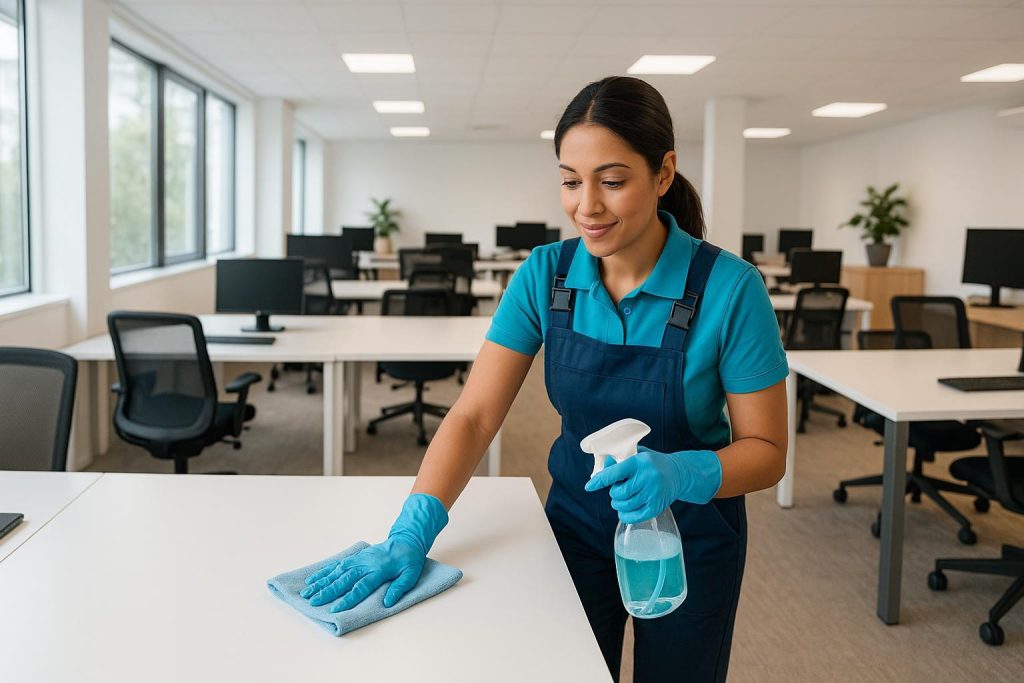
Commercial cleaning tasks are not limited to surface appearances. They also help reduce the spread of germs and contaminants in areas such as offices, lobbies, and meeting spaces. These microorganisms can linger on commonly touched surfaces like door handles, keyboards, or elevator buttons. By embedding cleaning tasks into a comprehensive maintenance plan, facilities maintain cleaner air quality and reduce workplace illnesses. This can lead to less sick leave, which in turn helps keep productivity levels steady.
Detailed cleaning and disinfecting routines also help with slip and trip hazards. For instance, spilled liquids on floors can pose an immediate risk if not addressed. Routine floor care practices, including polishing or mopping, decrease the likelihood of accidents and injuries. When a building’s cleaning and maintenance program is consistent and well-organized, it reassures staff, visitors, and tenants that safety is a priority. Protecting people’s health and well-being is arguably as important as safeguarding physical assets, making cleaning a central pillar of any well-rounded maintenance plan.
Elevating the Reputation of Your Facility
A well-kept business setting sends a strong message to stakeholders. Clients, business partners, and job candidates often base part of their first impression on the cleanliness of a facility. When offices, hallways, and common areas are spotless, the result is a more professional, organized environment. Cleanliness indicates an attention to detail that reflects on the company’s broader values, suggesting reliability, professionalism, and consistency—traits that many organizations prioritize. Beyond that, a facility that is consistently neat often fosters an improved workplace culture, resulting in happier employees who are less likely to seek alternative work settings.
This positive impact on reputation also supports operational stability. Businesses want to avoid repeated complaints or public discussion of unsanitary surroundings. A building with visible grime, clutter, or poorly maintained restrooms might discourage customers or tenants from returning. By contrast, coordinating regular cleaning through a maintenance budget keeps standards high and consistent, preserving brand integrity. Over time, this attention to detail signals to shareholders and visitors alike that the organization values both its physical space and the people within it.
Developing a Strategic Maintenance Schedule
Proactive cleaning can blend seamlessly into an annual or quarterly maintenance plan. Organizations that place cleaning tasks on the same timeline as inspections or mechanical servicing often find it easier to keep everything running smoothly. For instance, managers can schedule restroom deep cleaning at the same interval as other upkeep procedures. Teams can perform a detailed floor refinishing in tandem with HVAC filter checks. These coordinated efforts minimize downtime, free up facility staff for higher-level tasks, and ensure a steady cycle of improvement.
Beyond aligning tasks, budgeting for cleaning under the maintenance umbrella makes costs more predictable. Rather than handling cleaning services as a supplementary expense, property managers who adopt cleaning budgets as part of their core maintenance strategy can forecast costs with greater accuracy. By spreading investment in cleaning over the entire year and following a set schedule, facilities avoid sudden, unplanned bills. This structured approach to spending can also justify allocations for equipment upgrades, additional training for team members, or specialized cleaning supplies.
Leveraging Professional Cleaning Services Within Maintenance
Many facility managers choose to work with reputable third-party cleaning providers for ongoing maintenance. A skilled commercial cleaning partner can offer specialized tools, products, and methods tailored to different surface types and conditions. Engaging professionals helps alleviate the burden on in-house staff who may not have the bandwidth or expertise to handle all cleaning tasks at a high standard. The result is less guesswork and better consistency across the facility.
In addition, an external cleaning team often arrives with a structured system for recording tasks and verifying completion. Tracking is essential for accountability and allows managers to document how the facility’s condition improves over time. Some providers further use scheduling software, digital checklists, or compliance logs that reveal which areas were serviced and when. This level of clarity, when integrated into a maintenance plan, allows facility managers to audit cleaning performance and set goals for future enhancements. By merging cleaning with overall maintenance strategies, organizations simplify their processes while ensuring crucial tasks never fall through the cracks.
Practical Tips for Integrating Cleaning into Maintenance
Facility managers who want to embed cleaning tasks more seamlessly into their maintenance plans can consider the following steps:
- Define Clear On-Site Protocols: Outline tasks for each area (lobbies, offices, restrooms, breakrooms) so everyone—whether in-house or contracted staff—knows what to prioritize.
- Schedule in Advance: Map out cleaning tasks months ahead, similar to how you plan inspections or equipment servicing, to promote efficiency and reduce disruptions.
- Use Targeted Products and Tools: Select the right cleaning supplies for each surface. Different materials, such as tile or vinyl, may need various products to prevent damage. Proper product use can significantly extend an asset’s life cycle.
- Document and Review: Track each cleaning session, note areas of improvement, and plan adjustments for future service intervals. This data-driven approach helps managers see where resources are going and what changes yield the best outcomes.
- Train Staff and Encourage Feedback: Whether you employ an external cleaning service or assign responsibilities to in-house personnel, regular training keeps everyone consistent and up to date. Encourage feedback from employees or tenants, too, since they notice potential improvements on a day-to-day basis.
Connecting with Professional Cleaning Expertise
Organizations sometimes struggle to find time or staff to manage every part of a fluid maintenance plan, especially in facilities that span more than 3,000 square feet. Enlisting experienced cleaning professionals can help bridge the gap. Support may include daily vacuuming of large office spaces, trash removal, restroom sanitization, and more. In many cases, these routine tasks must align with safety standards, unique facility checklists, or specialized cleaning protocols—areas where seasoned commercial cleaning teams can shine.
For businesses seeking to refine their maintenance approach, looking into Commercial Cleaning Services through a structured provider is often beneficial. These services focus on recurring facility upkeep backed by proactive scheduling, defined scopes of work, and a transparent results-tracking system. Commercial Cleaning Services that fit into an overarching maintenance plan can help ensure both small tasks and major upkeep projects proceed without confusion. Most importantly, strong communication and reliable follow-through keep facility managers informed and confident that each step is covered, from surface cleanliness to the overall building presentation.
Answering Common Questions about Cleaning in Maintenance
1. How often should cleaning be performed to qualify as maintenance?
There is no universal rule, since every building varies in usage, size, and operational demands. However, integrating daily or weekly cleaning tasks into an official maintenance schedule is typically recommended for busy or high-traffic facilities. Deep cleaning or periodic tasks, such as removing scuff marks or polishing floors, can fit well into monthly, quarterly, or even annual maintenance programs depending on the environment’s needs.
2. Can we handle all maintenance cleaning with in-house staff?
The decision depends on internal resources, expertise, and the availability of trained personnel. Smaller buildings might fulfill basic requirements using their own team. Larger facilities or those with specialized surfaces often choose to supplement internal efforts with a professional cleaning partner. Combining internal staff who know the facility with external experts who bring industry best practices can strengthen both cleanliness and overall upkeep strategies.
3. Does cleaning affect equipment warranties or insurance?
Some manufacturers and insurers do consider proper sanitation part of regular maintenance. For example, certain HVAC systems might require seasonal cleaning to remain under warranty. In addition, insurance policies sometimes have guidelines indicating that cleanliness helps reduce liability claims for accidents or injuries. While not always explicit, it is wise to keep thorough records of cleaning services to demonstrate due diligence.
Conclusion: Embracing Cleaning as a Maintenance Essential
Incorporating cleaning into a maintenance plan brings advantages that are both practical and financial. Clean, well-tended surfaces last longer and require fewer major refurbishments. Employees stay healthier, boosting morale and reducing absenteeism. Clients and guests receive a positive first impression, improving the company’s reputation as a professional, organized entity. Moreover, consistent cleaning routines help facility managers predict expenses, document work over time, and maintain operational standards. By recognizing the power of cleaning in a broader maintenance context, organizations can proactively meet challenges, save on costs, and preserve a welcoming, high-functioning environment for everyone.
For those who want an even more structured approach, connecting with a professional cleaning service is a practical next step. Doing so can ease the pressure on internal teams, ensure specialized knowledge and equipment are used, and streamline the overall process of maintenance. When combined with other preventive measures, cleaning fulfills its role as a front-line defense against wear and tear, leaving businesses free to focus on growth, innovation, and the comfort of everyone who visits or works within their establishment.