Ensuring Your Cleaning Program Supports Your Business Requirements
When you manage a commercial facility or office space, it is essential to confirm that every cleaning task aligns with your business’s goals. A well-designed cleaning program helps maintain an inviting environment, ensures compliance with safety protocols, and allows your daily operations to run smoothly. This guide explores how you can confidently verify that all assigned cleaning responsibilities are relevant, detailed, and performed at the right frequency. By establishing a reliable framework for scope agreements, checklists, and proactive scheduling, you create an efficient routine that keeps your location organized and sanitary.
Understanding the Value of a Clear Scope of Work
Setting up a clear scope of work is the bedrock of any successful commercial cleaning arrangement. This document should describe, in plain language, the exact responsibilities your cleaning provider will handle. By specifying tasks and frequency, you eliminate confusion and create a shared understanding of expectations. A clear scope also clarifies which parts of your facility need more extensive attention and which areas only require light cleaning.
Additionally, a scope of work that spells out how tasks are performed can be invaluable. Some businesses have unique equipment or sensitive machinery that demands specialized procedures. Others operate in sectors that require strict hygiene practices, such as medical offices. Being transparent about these requirements at the outset ensures your commercial cleaning provider knows how to protect your environment. The more thorough you are when defining your scope, the less chance you have of missed tasks or assumptions.
Moreover, your scope of work should account for your facility’s size and layout. This is critical for medium to large workplaces, typically those with 3,000 square feet or more. Such larger environments often demand thorough coordination and planning from your cleaning partner. By breaking the property into manageable zones within the contract, you ensure that no area is overlooked. Staff members can then reference these details during each visit, which promotes consistency.
Adopting a Collaborative Approach
A collaborative relationship between you and your cleaning partner helps align tasks with genuine needs. You may discover that some areas of your facility, like high-traffic conference rooms or bustling reception areas, require more frequent attention than others. Sharing your operational schedule, expected peak times, and exact business hours empowers your cleaning provider to adjust their efforts accordingly.
This collaboration goes beyond initial setup. Over time, business conditions can change. Perhaps you install new systems, rearrange office space, or embark on an expansion. Keeping the lines of communication open with your cleaning provider means they can adapt to your evolving requirements. This helps you avoid a one-size-fits-all approach or outdated tasks that no longer match your facility’s demands.
Ultimately, transparent communication fosters trust and reduces the time you spend monitoring the details. Both you and your provider can agree on checklists, schedules, and improvements that add tangible value to your operation. It also means that if certain days, such as weekends, are better for large cleaning tasks to prevent disruption, you can coordinate accordingly. This synergy ensures that your workplace looks its best while you focus on day-to-day activities.
Why Proactive Scheduling Makes a Difference
Proactive scheduling is a strategic way to ensure that cleaning tasks do not slip through the cracks. By mapping out services weeks or even months in advance, you build predictability into your routine. This approach is particularly beneficial if you manage a larger property with multiple common areas and offices. By organizing tasks, you can keep track of when each specific area will be cleaned, from the lobby to the kitchens to storage facilities.
Many commercial cleaning providers, including those that handle office or janitorial services, offer flexible scheduling options. Mornings, evenings, or even weekends can be arranged. These flexible time slots help minimize disruption to your staff, especially if you have employees who work late or hold extended business hours. Scheduling in advance also lets you set targets for more extensive or seasonal tasks, such as large-scale disinfecting regimens, without taking time away from other responsibilities.
Once a proactive plan is in place, you often find that you spend less time managing or reminding people of pending tasks. Instead, the cleaning provider takes accountability for their assigned visits. When your team expects a cleaning crew during a certain window, it is easy to make any necessary logistical adjustments, such as moving equipment off floors or securing sensitive information.
Creating and Using Customized Checklists
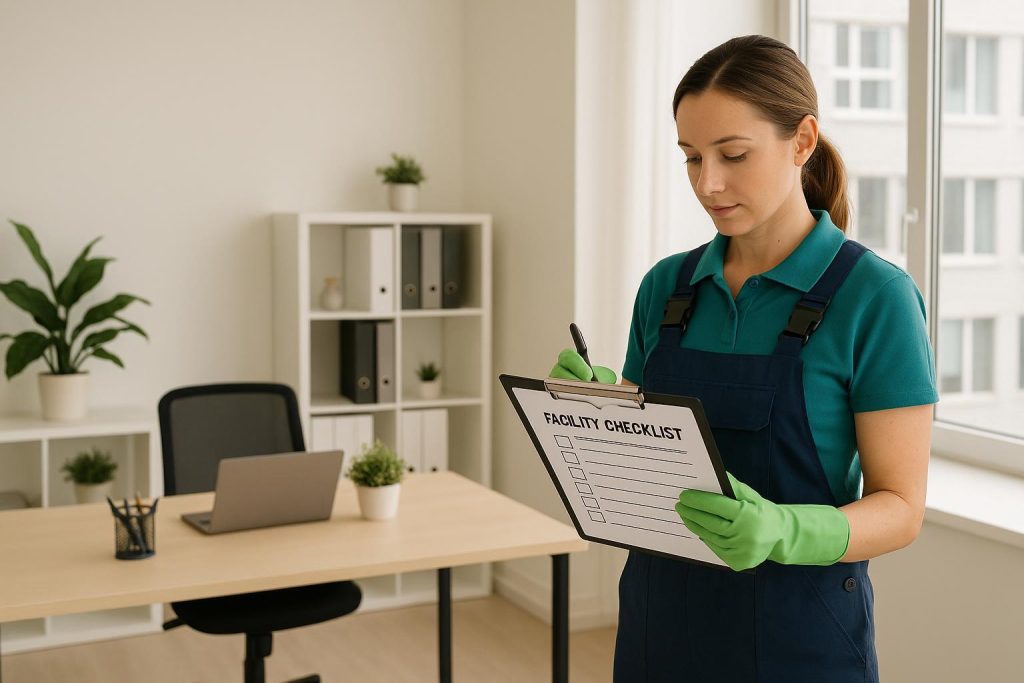
Checklists play a vital role in confirming that all cleaning duties are completed properly. Maintenance teams can reference these checklists for clarity, ensuring nothing is missed and each amenity or space meets your standards. A customized checklist might highlight door handles, elevator buttons, and other high-touch surfaces in an office environment. In large facilities, it might also detail specific cleaning steps for restrooms or breakrooms with specialized equipment.
When a provider develops these lists with your input, it guarantees that best practices remain front and center. If you notice that certain tasks or areas consistently receive less attention than desired, you can update the checklist to reflect a higher level of care. Adding items like regular dusting of vents or deep-cleaning certain corners helps reduce surprises and keeps your environment in top shape. This practice also reinforces accountability by giving cleaning staff a shared reference.
Moreover, checklists benefit industries that require rigorous compliance. For instance, if you oversee a medical or industrial facility in which surfaces must be sanitized in a specific way, the details can be specified in the checklist. This ensures that the right cleaning agents, processes, or protective equipment are used at each visit—for example, confirming the use of single-use microfibre mop heads or following safety-forward practices. In these settings, comprehensive checklists help operators prove compliance with corporate or regulatory requirements.
Monitoring and Verifying Ongoing Performance
After tasks, checklists, and schedules have been clearly defined, the next step is to monitor performance on a regular basis. Frequent communication and scheduled reviews allow you to keep tabs on quality. These reviews are opportunities to ask questions and discuss whether all agreed-upon tasks are completed to your standards.
During these check-ins, you might address concerns like: Are restrooms consistently sanitized at the level you expect? Are surfaces free of dust and debris, especially in high-traffic zones? Are break areas being cleaned in a way that meets health code guidelines? If something is lacking, an open conversation with your cleaning provider allows for swift course correction. This transparency benefits both parties, as providers often appreciate receiving direct, timely feedback.
While formal reviews, such as monthly or quarterly meetings, are beneficial, you can also complement them with more frequent spot checks. A quick walk-through after a cleaning session can help you spot issues as soon as they emerge, preventing them from piling up. Over time, consistent monitoring helps refine the scope of work, tasks, and schedules, so they more closely align with shifting demands in your office or commercial building.
Maintaining Clear Communication Channels
Keeping your workplace clean and safe is an ever-evolving process. As your business grows or adjusts, the cleaning requirements may shift. Perhaps an area that was lightly occupied has become a primary workspace, or a common area has gained popularity among staff. Communicating these shifts to your cleaning partner ensures that they redirect their efforts to where they are needed most.
Likewise, addressing any difficulties early on prevents minor problems from becoming chronic. By reaching out at the first sign of missed coverage—say, a conference room that has not been vacuumed as frequently as promised—you can resolve issues before they affect the entire team’s morale. Good communication is about partnership and encourages proactive solutions from your provider.
If your building houses multiple departments or operations, you may need a system for different teams to submit cleaning requests or note concerns. Streamlining these requests, whether through a designated contact person or a simple digital form, helps keep everything centralized. This is especially helpful in high-traffic buildings where multiple supervisors may have different cleaning priorities at any given time.
Ensuring Safety in Larger or Specialized Environments
Safety stands as a core pillar of any commercial cleaning program, particularly in larger or specialized environments such as industrial settings or active construction sites. If your location involves frequent foot traffic, heavy machinery, or sensitive materials, a detailed safety manual and consistent training practices are essential. Look for a provider that uses a COR-based safety approach, which helps maintain strict adherence to procedures in both Saskatchewan and Alberta. This ensures not only a thoroughly cleaned workspace but also one in which best practices are never compromised.
In larger workplaces, the potential for accidents can rise if cleaning tasks clash with operational routines. Scheduling cleaning after-hours or during lower-traffic periods reduces the likelihood of safety incidents. If certain tasks must be done during regular business hours—like disinfecting a busy reception area—you and your provider should map out how to do so unobtrusively. Thorough coordination allows staff to manage any hazards, from wet floors to obstructed walkways, to maintain a risk-free environment.
Such care is even more critical in industries that require comprehensive compliance, like healthcare or specialized manufacturing. If your business oversees tasks such as final cleaning at a construction site, your cleaning partner should be informed about any unique protocols. This level of specificity extends to the selection of cleaning tools and chemicals, ensuring they are suitable for your specialized environment.
Building a Climate of Accountability
Consistency in commercial cleaning stems from accountability. That means every party understands their responsibilities and follows through. Commercial cleaning providers with a strong record of accountability often integrate communication software or systems that allow you to track which tasks were completed. By logging each visit with notes and timestamps, they make audits simpler and reinforce trust.
If your provider does not already use a system, you can recommend a process that systematically addresses feedback. For instance, if your property manager notices that the break room was missed on a particular day, there should be a procedure for logging that complaint and ensuring it is resolved. If it becomes a recurring issue, the system highlights a pattern that calls for further action or discussion.
Fostering accountability is beneficial for everyone. You enjoy consistent, high-caliber results, while your cleaning provider strengthens their reputation and retains your business. The process also provides valuable insights if tasks need to be delegated differently or if there is a need to add more staff during certain shifts. Continuous review and feedback close the loop, making your cleaning program dynamic and results-driven.
Steps to Take for Continuous Improvement
Even when cleaning tasks are meeting your standards, there is always room for improvement. Encourage your cleaning partner to propose new ideas, such as updated methods or more efficient cleaning products. Invite feedback from your own staff as well. Employees on the ground may notice daily patterns that indicate a need for adjustments—for example, a new staff lounge that generates additional trash or consistently messy floors.
This process helps you refine both the frequency and nature of cleaning tasks. If employees are consistently satisfied and your environment remains well-maintained, you can confidently run your business without worrying about hygiene or appearance. A professional, consistent, and safety-forward cleaning routine adds to the credibility of your brand as well, improving morale for your staff and trust among your clients or visitors.
You can also consider setting performance metrics, such as a cleanliness rating or periodic feedback forms. These key performance indicators let you measure improvement over time. If results indicate that your cleaning plan is excelling, they reinforce that your approach is on track. If they reveal stagnation or issues, you can implement targeted changes to keep tasks aligned with your current needs.
Conclusion: Supporting Your Business Goals with Effective Cleaning
Confirming your commercial cleaning tasks match your organization’s requirements is a long-term endeavor. Achieving consistent results demands a clear scope of work, a collaborative approach, proactive scheduling, and solid communication. It also extends to using robust safety practices suitable for your environment—particularly if you operate a medium to large facility of 3,000 square feet or more.
When you are ready to streamline your commercial cleaning or coordinate a more proactive routine, it can help to explore your options. For further guidance, explore our Commercial Cleaning Services or Contact Us to discuss how we can tailor a plan for your facility. By incorporating tools like customized checklists and scheduled performance reviews, you create a process that keeps your space clean, safe, and ready for business. Whether you manage a busy office, a specialized commercial site, or a growing facility, aligning tasks with your exact needs is the key to smooth operations and a positive image.