Developing a Comprehensive Cleaning Checklist
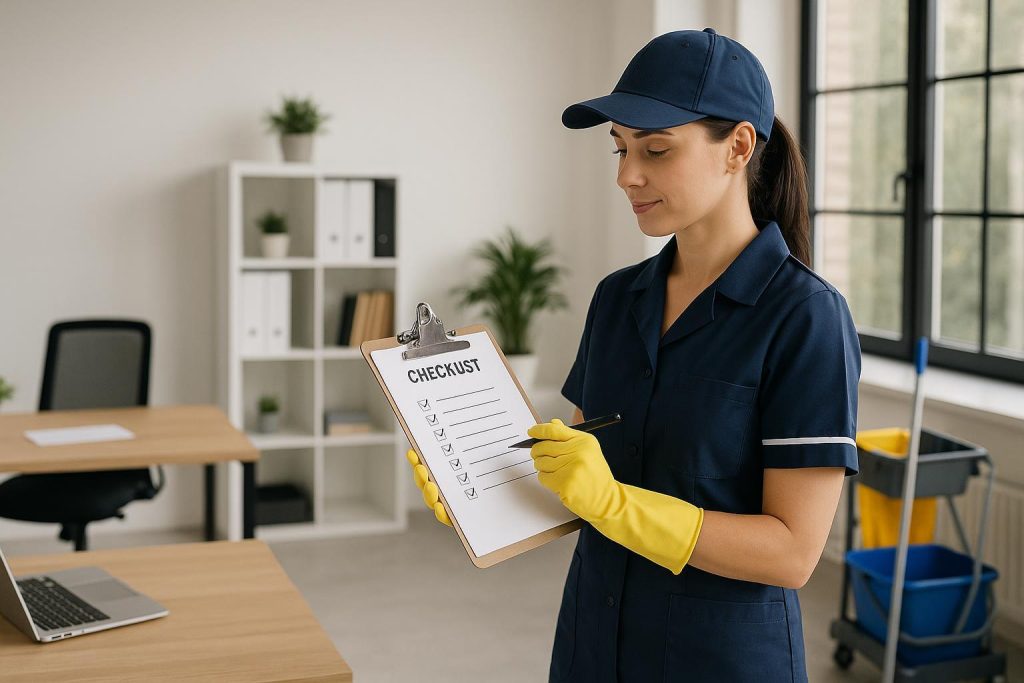
Cleaning checklists are invaluable tools for ensuring that every aspect of a commercial facility is properly maintained. They give you a clear roadmap of tasks, remove guesswork, and allow for consistent service over time—even if staff changes. In most commercial environments, from medium-sized offices to large corporate facilities of 3,000 square feet and beyond, cleaning checklists provide transparency and accountability. Below, we'll take a detailed, step-by-step look at how professionals develop these checklists, why they prioritize structure and organization, and which factors they consider to produce reliable results.
1. Laying the Groundwork
Before professionals craft a list of tasks, they typically perform an on-site assessment or walk-through. This helps them gather insight into your facility's layout, traffic patterns, and any special requirements. For example, a large office building with multiple floors will likely have higher foot traffic in common areas like lobbies, elevators, stairwells, and restrooms. This initial assessment goes beyond a quick scan; it involves taking note of flooring types, high-touch points, safety concerns, and unique spaces like server rooms or file storage areas. This way, the checklist can be highly customized to address real-world conditions—always more accurate than rigid, one-size-fits-all templates.
Why is this crucial? Professionals understand that every building has its own "hot spots": areas that get noticeably dirty, generate more spills, or require special handling. Identifying those peculiarities in advance can make all the difference, preventing overlooked tasks. By analyzing these high-traffic zones and unique layouts, professionals create a foundation that shapes the entire checklist, ensuring it focuses on what truly matters day-to-day.
2. Breaking Tasks into Categories
After the initial assessment, the next major step is to organize tasks by frequency. It's rare that every single cleaning job needs to happen daily. Instead, professionals often categorize tasks into daily, weekly, monthly, or "as needed" segments. This method organizes the entire cleaning plan in a way that's easy to follow for both internal staff and external cleaning teams. Below is an example breakdown:
- Daily Tasks: Disinfecting high-touch surfaces (door handles, elevator buttons, light switches), vacuuming or sweeping main walkways, emptying trash bins, and wiping down reception desks.
- Weekly Tasks: Dusting vents or ceiling fans, cleaning glass doors, polishing hard floors, and focusing on low-traffic office areas that may not need daily attention.
- Monthly Tasks: Machine-scrubbing certain floor types, deep cleaning tile grout, cleaning under heavier furniture, and thoroughly sanitizing less-used storage areas.
- As-Needed Tasks: Spot-cleaning carpet stains in heavy traffic areas, restocking supplies like hand soap or paper towels, and any special tasks triggered by seasonal changes (e.g., increased salt or sand near entrances during winter).
This frequency-based structure is beneficial because it helps ensure daily tasks are handled promptly while preventing more detailed items from falling through the cracks. By mapping out tasks in sections, professionals can keep track of what needs immediate attention versus what can be addressed less frequently. This approach also helps staff and management plan ahead, especially when scheduling additional work like deep cleanings or specialized sanitization services.
3. Factoring in Safety and Compliance
Commercial facilities—especially larger ones—must adhere to specific safety regulations, whether those come from governmental agencies or internal safety protocols. A well-designed cleaning checklist explicitly includes instructions for proper chemical handling, the use of personal protective equipment, and the setup or removal of caution signage. These items might sound routine, but they're critical in larger spaces where staff and visitors could be present after hours, or where specialized equipment is in play.
Moreover, the good news is that by embedding safety checkpoints in the cleaning list, you reduce the chance of accidents or compliance violations. For instance, labeling containers and storing chemical supplies correctly helps facility managers and cleaning staff maintain consistency, especially during shift changes. Where construction cleaning in Regina or specialized commercial environments are concerned, safety-forward procedures align with a structured, COR-based safety approach, ensuring the work is done responsibly and thoroughly.
If your building has specific compliance requirements—like health codes for food-service areas or medical standards in a clinic—professionals incorporate special steps directly into the checklist. That might include additional sanitizing procedures for high-risk zones, or guidelines on how to properly dispose of waste. The finished document functions as both a cleaning resource and a compliance map, guiding everyone toward safer practices.
4. Tailoring Checklists to Facility Size
Professionals understand that the size of your facility matters. A medium office (3,000 to 8,000 square feet) might need fewer staff members and simpler routes than a massive corporate complex spanning tens of thousands of square feet. While a smaller space could get by with a handful of daily tasks and a brief weekly rotation, a larger environment requires multiple "routines"—perhaps one for each floor or wing. These separate task lists ensure that no area is neglected and that tasks match each space's unique requirements.
In buildings that house multiple departments, each might have specialized equipment or usage patterns. For example, an open-concept marketing department might have many collaborative workstations that see heavy daily use, while a corner suite designated for executive offices might stay cleaner for longer. By fine-tuning each segment, problems like missed meeting rooms or consistently overlooked corners are reduced, all thanks to a well-focused plan. This attention to detail is precisely how experts ensure consistent quality.
5. Selecting Tools and Techniques
Simply having a list of tasks isn't enough; professionals go a step further by indicating the best tools for each job. For instance, certain floor materials may require gentle mopping systems while others benefit from commercial-grade equipment or specialized scrubbers. Touchpoints such as computers and telephones might need disinfecting wipes instead of harsh chemicals to avoid damage. Also, in many modern offices, commercial-grade microfiber cloths are recommended for desks, counters, and mirrors. These details can be written directly into the cleaning checklist or attached as an easy reference guide for staff. By linking tasks with specific tools, the final outcome tends to be more consistent and thorough.
This level of specificity is essential at scale. In many large commercial cleaning programs, different staff members rotate between tasks. Having a uniform reference that states "Use a microfiber cloth and a detergent disinfectant" ensures that every team member follows the same process, which aligns with the brand standard or facility protocol. Ultimately, everyone benefits from a consistent look and feel to each cleaned surface, day after day.
6. Integrating a Reporting and Documentation System
One of the biggest advantages of a cleaning checklist is its potential for integrated reporting. Rather than just marking tasks as done, a well-structured checklist often includes a brief space to note any issues. Examples include a damaged door handle spotted during cleaning, or an ongoing maintenance concern that staff can address later. This detailed documentation turns simple tasks into a proactive observation tool. Moreover, it gives facility managers an ongoing record of persistent issues, making it easier to handle budget planning and anticipate future services.
Some professionals use digital or cloud-based checklists that sync with scheduling software. In these cases, every cleaning visit is logged, tasks are checked off in real time, and immediate alerts can be sent to supervisors if something is amiss. This transparency offers peace of mind. Supervisors can confirm everything is complete without physically needing to walk each square foot, and managers can trust that the facility is up to the expected standard of cleanliness and safety. Over time, these logs become useful for spotting trends—like if a certain hallway seems to require more frequent care—so the schedule can be adjusted accordingly.
7. Ongoing Refinement and Improvement
Professionals rarely consider a checklist to be final. Instead, they treat it as a living document that adapts to changes in your facility. For example, if you remodel part of your office or add a new employee lounge, your cleaning needs will shift. A robust cleaning checklist will incorporate new tasks, remove outdated ones, or adjust frequencies as requirements evolve.
Seasonal factors also come into play. In regions with snowy winters, you might need to increase the frequency of floor maintenance in entrance areas to address salt or moisture. In warmer months, certain exterior cleaning tasks or more frequent window wipe-downs may be needed to handle pollen buildup. A well-managed checklist updates to reflect these adjustments, maintaining a tidy environment regardless of the season or the building’s usage patterns.
8. Communication and Accountability
Transparency is one of the most beneficial aspects of a structured cleaning checklist. Facility managers, property managers, and business owners can easily see, at a glance, which tasks are completed, how often, and by whom. This level of visibility fosters clear communication and reduces the likelihood of misaligned expectations or repeated tasks. When everyone knows exactly what's "on the list," you minimize the potential for confusion or frustration down the road.
Additionally, designated check-off or sign-off sections for each completed list add accountability. Staff members can’t simply say a task is done; they sign and date it. Managers or third-party auditors can review these records any time. This helps with compliance, whether you're monitoring your own internal standards or following strict industry regulations.
9. The Role of Professionalism
At the core of an effective checklist is professionalism: an organized, consistent approach to commercial cleaning. Clients want reliability, predictability, and a safe environment. A well-pointed checklist is how professionals deliver that experience. While every business has unique needs, the promise of structure remains the same: fewer missed tasks, an efficient use of labor, and a space that meets high standards day in and day out. In a workplace setting, these predictable results can enhance your staff's comfort, reduce sick days, and potentially extend the life of your surfaces and furnishings.
You'll also experience smoother collaboration with any in-house staff who remain on-site. When responsibilities are clearly designated to your cleaning partner—whether they're visiting daily or several times a week—your own employees can better understand what to expect and when. This eliminates conflicts about which tasks are done by outside professionals and which are left for employees or facility staff to handle. By adding practical details, like the best times to empty bins or recommended ways to arrange furniture before cleaning, a facility and its cleaning partner can work seamlessly together.
10. Connecting the Checklist to Broader Facility Goals
Professionally made cleaning checklists do more than keep dust off shelves. They can be a key part of a facility's larger operational strategy. When recurring tasks are well-managed, you reduce the need for corrective deep cleans or crisis-mode interventions, saving time, money, and hassle in the long run. These checklists effectively align cleaning routines with daily work operations, meaning fewer interruptions and a more modern appearance.
For instance, if your office hosts clients regularly, you can schedule most of the cleaning tasks—such as vacuuming or polishing floors—to happen after main business hours. The convenience of flexible scheduling can make employees' routines more seamless and present a consistently professional atmosphere to your visitors. This type of synergy between cleaning operations and business goals stems from a robust, flexible checklist that is built specifically for how your facility operates.
Implementing Your Own Checklist
Whether you manage an office, property, or construction site in the Regina area, a detailed cleaning checklist is your best ally. For many facility managers, the first step is to work closely with a reliable commercial cleaning partner that offers structured, recurring services. You can then tailor the checklist to your unique environment. We encourage you to consider exploring our Commercial Cleaning Services for further details on how comprehensive checklists, proactive scheduling, and a safety-forward system can keep your workplace running smoothly.
If you have specific needs or questions about customizing a cleaning plan for your building, please feel free to visit our Contact Us page. An organized approach to cleaning can relieve a great deal of stress, keep your teams healthy, and protect your long-term investments in equipment and furniture. By employing a well-developed cleaning checklist, your facility receives a consistent level of hygiene and maintenance that speaks to the professional atmosphere you aim to maintain.
Remember, a quality cleaning checklist is not just about making a space look good for a day—it creates a foundation for ongoing reliability, cleanliness, and safety. Professionals know that this level of thoroughness keeps employees focused on their tasks, managers confident in their environment, and guests or clients secure in the impression they receive when they step through the door. In commercial facilities of any size, this structured, recurring approach remains a cornerstone of high-performing, well-maintained workplaces.