Maintaining a Consistently Clean and Welcoming Office
Achieving and sustaining a clean, professional atmosphere is essential for businesses looking to project a positive brand image and provide a pleasant experience for employees, customers, and visitors. Regardless of industry, keeping workstations organized, restrooms sanitary, and communal areas tidy paves the way for improved productivity and well-being. A meticulous approach to commercial cleaning can also help facilities uphold health and safety standards, protect sensitive equipment, and extend the life of workplace furniture and surfaces. The following sections outline key considerations for establishing a dependable routine that keeps your office clean, safe, and well maintained.
1. Setting the Foundation: Structured Scheduling
One of the most pivotal steps toward a consistently clean office is setting up a structured schedule for cleaning tasks. An ad hoc or purely reactive approach often leaves a facility scrambling to address problems only after they arise—a method that can lead to hygiene lapses and last-minute inconveniences. By contrast, planning and mapping cleaning tasks well in advance, typically scheduling them weekly, biweekly, or monthly (depending on your office size and occupancy), ensures the job gets done without surprises.
In medium to large commercial facilities, even seemingly small details can accumulate quickly. For example, breakrooms may accumulate spills and food waste; reception areas can become dusty or suffer from clutter, and restrooms might experience elevated traffic at peak times. With a predictable schedule, tasks—like daily surface disinfection, emptying trash, or cleaning restrooms—are carried out before they become pressing issues. This proactive outlook helps preserve appearance, limit unpleasant odors, and reduce the overall workload associated with late-stage cleanup. Skipping or postponing only increases the time and effort required down the line. A consistently planned schedule keeps employees focused on their work rather than worrying about a neglected workspace.
2. Detailed Scopes of Work and Checklists
Clarity in expectations is crucial for smooth office cleaning operations. Vague instructions or “as needed” references can lead to tasks being overlooked or insufficiently addressed, particularly in larger settings with multiple offices, training rooms, and corridors to maintain. By utilizing facility-specific checklists, each cleaning session has a roadmap of tasks to be completed, from sanitizing door handles to restocking restroom supplies in the exact quantities needed.
These checklists act as both a benchmark for quality and a means to confirm that no item on the cleaning agenda has been missed. They also simplify communication between managerial staff and cleaning teams, as everyone shares a mutual understanding of what is expected during each visit. For instance, some facilities prefer a thorough daily cleaning in high-traffic areas but opt for a deeper disinfection cycle on a weekly or monthly basis for lesser-used spaces. By explicitly defining these choices, office managers reduce ambiguity and ensure professional, consistent results without guesswork.
3. High-Touch-Point Disinfection Strategies
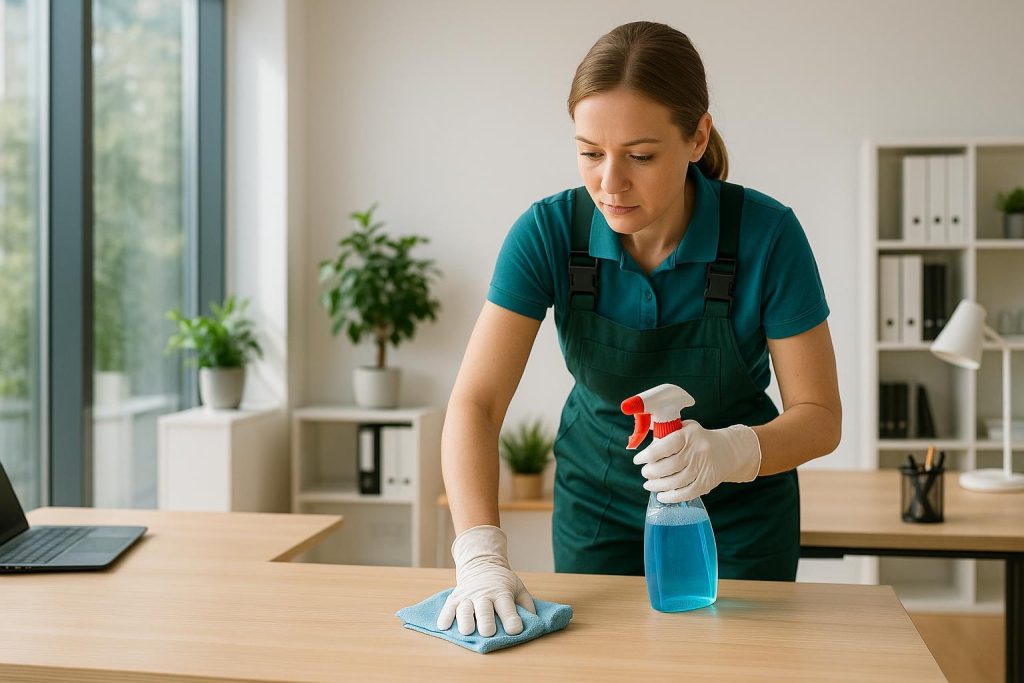
Any detailed commercial cleaning plan should include a targeted approach to disinfecting high-touch points—areas frequently handled or touched by many people. Common culprits include doorknobs, railings, light switches, elevator buttons, conference tables, shared keyboards, and breakroom faucets. Regularly disinfecting these surfaces reduces the potential for germ spread and contributes to a healthier, more pleasant workplace. In many offices, concentrating your cleaning efforts on these specific zones can go a long way towards minimizing sick days and supporting an overall sense of well-being among employees.
Modern offices use an array of shared tools—especially in open-concept workspaces or setting with hot desks—making regular wipe-downs and disinfecting protocols particularly relevant. Fostering clear guidelines for employees to periodically disinfect their own workstations can complement professional cleaning. The most successful approach typically combines professional, high-grade sanitizing agents with consistent daily wipe-downs by staff. When both in-house prevention and professional cleaning converge, the office environment remains noticeably fresher and more hygienic.
4. Deep Cleaning for a Thorough Refresh
While regular, systematic cleaning routines keep a workspace looking respectable on a daily basis, occasional deep cleans are essential for fully renewing the space. Scheduling these deeper sessions—sometimes quarterly or twice a year, based on foot traffic and the nature of your work environment—allows for more intensive tasks like scrubbing down floors, cleaning vents, and vacuuming beneath hard-to-reach office furniture. This is particularly important for large buildings, where dust can accumulate in unexpected places.
Deep cleaning projects are the ideal time to address tasks that might not be part of the normal routine, yet still contribute significantly to cleanliness and air quality. This might include spot-checking or shampooing carpets (if done by a specialized partner), addressing scuff marks on hard floors, or washing interior and exterior windows (also potentially handled by specialist vendors). Though these extras often fall outside the standard scope of commercial cleaning providers, they can be coordinated so that everything is handled systematically and efficiently.
5. Safety-Forward Approaches in Commercial Settings
Beyond simply looking neat, a well-maintained office must meet broader safety and compliance requirements. Inadequately cleaned restrooms, slippery floors, or unchecked debris can quickly become hazards that pose significant liability risks. For any commercial cleaning program, implementing a structured, safety-forward approach, such as using a COR-based safety manual, helps ensure compliance with official guidelines and protects both employees and visitors. For instance, in some offices, cleaning might need to be performed after hours to reduce trip-and-fall risks or avoid disruptions to your workforce. By outlining these procedures in a clearly communicated plan, you help keep everyone safe while simultaneously ensuring top-tier cleanliness.
Along with basic slip and fall prevention, properly selected cleaning products and techniques also matter to workplace safety. Surfaces vary in their texture and composition—using the wrong type of cleaning product or excessive amounts of water could inadvertently create a hazard or damage materials. With carefully designed checklists, cleaning staff can be directed to the correct products and usage requirements, minimizing these risks. Additionally, a safety-focused culture can extend to areas like personal protective equipment (PPE) for cleaners and staff awareness about which areas may be off-limits during sanitation procedures.
6. The Importance of Communication and Consistency
In many offices, one challenge is ensuring that crucial feedback from employees and regular visitors makes it back to those responsible for improving cleanliness. For example, if the fridge in the breakroom hasn’t been cleared out or a corner of the property is overlooked, staff may raise a concern—yet it could get lost if not tracked properly. Setting up open lines of communication, possibly via an internal ticketing system or direct line to the cleaning team, allows for real-time feedback on areas needing immediate attention. This method is especially helpful in larger facilities where managers might not catch every spill or cluttered corner.
Commercial cleaning companies that operate with a consistent approach benefit from specialized software or established protocols to track tasks and verify completion. If your provider uses a standardized system for scheduling, scope definitions, and checklists, you can rest assured that each shift or team is following the same exact guidelines. This kind of consistency, which is very important for property managers, facility managers, and business owners, builds confidence in the long-term cleanliness and presentation of the office.
7. Investing in Employee Health and Productivity
A meticulously clean office environment not only caters to your professional image; it also has real impacts on employee morale and health. Messy or unsanitary conditions can increase stress levels, distract from core tasks, and worsen allergies or respiratory concerns. Conversely, a tidy, methodical workspace helps foster a productive and comfortable atmosphere. When employees see that management values their well-being by implementing reliable cleaning procedures, it often boosts morale and enthusiasm, reducing turnover and absenteeism.
For instance, smudged surfaces or overflowing trash bins can give the impression of disorganization, even when managers and staff are otherwise highly efficient. In competitive job markets, employees want to know that their workplace prioritizes a dignified, hygienic environment. Clients and suppliers visiting on-site also form immediate judgments based on visual and sensory cues. In ensuring that these cues reflect a brand that cares about detail and professionalism, you set a standard of excellence from the moment anyone steps through the door.
8. Leveraging Professional Commercial Cleaning Services
Trying to handle office cleaning in-house can be inefficient, especially in larger facilities. A professional commercial cleaning company provides expertise in methodical scheduling, systematic disinfection, and thorough upkeep of various surfaces. Trained cleaners know precisely which products to use on different materials and equipment, and many are accustomed to after-hours or weekend schedules that minimize disruptions.
Frequent tasks—such as dusting vents, vacuuming floors, sanitizing restrooms, or refilling supplies—are handled seamlessly when you have a reliable team on board. If your facility requires additional tasks (like specialized construction cleaning in active worksites or more stringent procedures for certain industries), a professional partner can help tailor the right scope of work. Determining the ideal frequency of visits involves balancing available budgets with the desire to maintain consistent cleanliness. Weekly or monthly intervals are common for standard professional offices, while more demanding environments (like healthcare settings or heavily trafficked workplaces) may warrant daily service.
For example, if you have a medium to large workplace (generally over 3,000 square feet), it is crucial to have a system-driven partner that can manage more complex tasks and scale alongside your operational needs. When every cleaning activity is carefully documented and supervised, managers can quickly identify any missed areas and confidently plan for expansions or modifications of the routine over time. This scalable approach ensures the level of service always matches your changing facility demands.
9. Maintaining a Productive, Safe, and Welcoming Environment
Offices can vary in layout, function, and employee headcount, but the goal of consistent cleanliness remains universal. Desks, floors, and communal spaces that are systematically cleaned convey an atmosphere of competence and care. Even when employees work in a fast-paced environment, having a professional commercial cleaning team assures that cleanliness does not fall by the wayside amid pressing deadlines and organizational changes. The ability to trust your cleaning schedule not only saves you from having to micromanage the process, but also sets a standard your workforce can rely on.
Over time, clean offices also experience fewer unexpected repairs or replacements of furniture and fixtures, as dirt and grime can gradually degrade materials if left unchecked. Equipment in server rooms, copiers, or specialized manufacturing devices may operate more smoothly in a dust-free environment. Essentially, a proactive cleaning routine is part and parcel of responsible facilities management: it preserves the property’s overall value and fosters a positive, healthy workplace culture.
10. Seeking Tailored Solutions for Your Workplace
Because professional offices come in all shapes and sizes, not every cleaning plan applies equally. A small office with fewer than 10 employees might only need weekly cleaning, while a large, open-concept workspace might have daily or near-daily needs. If your business sees frequent foot traffic in a reception area, or if you need careful attention to certain equipment, the ideal arrangement may involve slightly different schedules or tasks for each space.
Some businesses prefer to have cleaning teams on-site at specific times, such as early mornings before most employees arrive, while others opt for evening or weekend schedules to avoid interfering with working hours. Whatever your preferences, reliable communication about scheduling and thorough documentation of tasks performed helps maintain transparency. Companies that share these details with employees often find that staff members take pride in helping sustain that clean environment by clearing away personal items, properly disposing of trash, and wiping up small spills.
Moving Forward
Implementing consistent, well-structured commercial cleaning practices is one of the most effective investments you can make in your business. From high-touch-point disinfection to systematic deep cleans, the path to a consistent result lies in attentive scheduling, comprehensive checklists, and trained professionals who understand both the art and science of cleaning. When your facility is immaculate, the benefits extend well beyond aesthetics, influencing morale, productivity, and health in ways that impact the broader success of your organization.
If you are considering how to refine or expand your current commercial cleaning regimen, exploring options provided by an established professional partner can help identify the ideal blend of frequency and scope for your unique facility. One approach is to build a structured, customized schedule that aligns precisely with your operations, ensuring reliability and accountability each step of the way. To learn more about specialized office cleaning support or to discuss commercial cleaning for mid-sized to large facilities, check out our Commercial Cleaning Services. If you prefer to speak directly about your specific needs, you can always Contact Us to schedule a consultation or request further details.
By taking a proactive approach to surface disinfecting, using well-defined scopes of work, and focusing on safety-forward methods, you help create a stable workplace where productivity, professionalism, and employee satisfaction flourish. A tidy, welcoming environment signals to everyone—from your newest entry-level worker to long-standing clients—that you value organization, wellness, and attention to detail. In turn, that commitment to cleanliness becomes the foundation for continued growth, resilience, and success.