In-Depth Guide to Post Construction Cleaning for Commercial Spaces
Post construction cleaning is a critical process that transforms a once-cluttered job site into a functional, welcoming environment. In commercial settings, this step ensures that renovated or newly built spaces meet safety standards, adhere to professional aesthetics, and are suitable for daily use. Whether your facility is a corporate office, a warehouse, or another specialized workspace, post construction cleaning plays an important role in eliminating dust, debris, and potential hazards that can emerge after the build phase.
In this comprehensive guide, we will walk through the key elements of post construction cleaning, focusing on the specific needs commercial facilities often face. By examining practical examples and highlighting core considerations—such as removing fine dust, disposing of large debris, and detailing high-touch surfaces—you will gain a clearer picture of how to organize a successful cleaning project after construction or renovation work has concluded.
Why Post Construction Cleaning Matters
When a commercial renovation or new construction project finishes, it is natural for the space to be left with noticeable dust, scraps, and leftover materials. In office or industrial environments, this can translate to significant disruptions if not handled correctly. Dust particles can settle on desks, chairs, and electronics, potentially damaging equipment or harming indoor air quality. Larger debris such as wood scraps or unused hardware might create tripping hazards or pose disposal challenges. Moreover, dried adhesives or stray building materials can mar the appearance of floors and walls, undermining the professional look you aim to achieve.
By organizing a specialized post construction cleaning, property managers and business owners can effectively minimize these risks. A thorough approach ensures that every surface, from high ceiling fixtures to baseboards, is meticulously cleaned, reducing the chance of overlooked debris. Beyond safety considerations, a well-executed post construction cleanup helps businesses present a polished, welcoming environment from day one. This not only demonstrates respect for employees and visitors but also complements the company’s professional image.
The Typical Scope of Work
Post construction cleaning extends far beyond a quick sweep and mop. In a commercial context, it usually includes tasks such as:
- Comprehensive Dusting and Vacuuming: Ceilings, ledges, and hidden corners can accumulate layers of dust that a conventional cleaning might miss. Specialized teams use commercial-grade vacuums and dusters to reach high and narrow spaces, clearing away fine particles. This is essential for maintaining a clean indoor air environment, crucial in offices and facilities where people spend many hours each day.
- Large Debris Removal: Renovation sites often have hardware scraps, sections of drywall, wood shavings, or packaging materials. A reliable cleanup involves the safe collection and removal of this debris, following local regulations for disposal or recycling. Properly handling large or hazardous items can help business owners avoid fines, improve site safety, and keep hallways or shared areas free from clutter.
- Wiping and Sanitizing Surfaces: Whether it is the top of a file cabinet or the inside of a new kitchenette cupboard, surfaces should be thoroughly wiped down to remove dust residue. Commercial cleaning teams often use professional-grade spray cleaners and microfiber cloths, reducing the risk of cross-contamination and ensuring that countertops, workstations, and other high-touch areas are spotless and ready for normal use.
- Spot Cleaning Walls and Fixtures: Construction activities can leave scrapes, paint splatters, or smudges on walls and fixtures. A detailed cleanup includes inspecting these surfaces and removing any marks that might detract from the facility’s appearance. This level of detail ensures the final presentation meets your brand’s professional standards.
- Floor Care: Most commercial spaces rely heavily on their flooring to set the tone for visitors and employees. Post construction cleaning for floors varies based on the type of material—tile, hardwood, laminate, or other commercial-grade surfaces. Removing residual grout, dried mortar, adhesives, or protective plastic coverings is often a critical step. In some cases, a light buff or polish may be needed to restore the floor’s original finish.
- Detailing High-Touch Areas: Door handles, light switches, elevator buttons, and reception desks see a lot of daily use. Disinfecting these areas as part of final cleaning helps mitigate the spread of germs, especially in environments where employees work in close quarters. This extra layer of care also underscores the importance of employee well-being and comfort within a freshly renovated workspace.
Example of a Post Construction Cleaning Project: Office Renovation
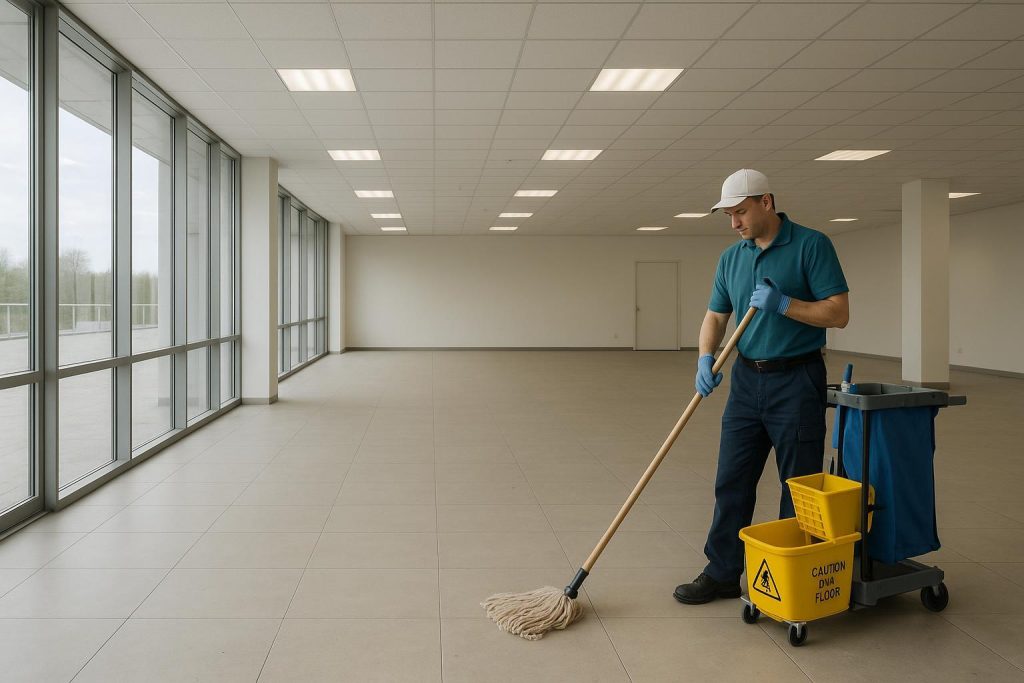
Imagine you have recently renovated a suite of offices. Walls have been repainted, new shelves and storage compartments have been installed, and certain areas of carpeting have been replaced with more durable flooring. Leftover elements from the construction phase—like sawdust, scraps of material, or plastic coverings—can quickly become problematic if not dealt with properly. A specialized commercial cleaning team can tackle the job in phases, first removing large debris, then performing thorough dust extraction with high-powered vacuums. Surfaces are wiped down with appropriate cleaning solutions, paying special attention to newly painted walls and trim to avoid damage. Finally, floors receive targeted care based on their specific finish, ensuring that adhesives or protective tape do not mar the appearance. At the end of this process, the space is tidy, hygienic, and ready for staff to occupy without having to worry about lingering construction clutter.
Safety and Compliance
Safety considerations should take priority at any construction-related site. Even after substantial completion, materials left behind might pose hazards, especially if they obstruct walkways or generate airborne particulates. A systematic cleaning regimen should include:
- Proper Handling of Debris: Ensuring discarded materials are sorted and disposed of according to local regulations. This may include recycling metals, wood, or cardboard to reduce the overall environmental impact. Commercial facilities, especially in cities like Regina, often have specific bylaws regarding waste handling, which a knowledgeable cleaning partner will know how to navigate.
- Using the Right Equipment: Commercial-grade vacuums, microfiber cloths, and safety signage are essential. These tools can help prevent cross-contamination, protect employees from leftover construction dust, and maintain overall site safety.
- Following a COR-Based Safety Manual: For professional cleaning providers who operate in Saskatchewan or Alberta, adopting recognized safety standards further ensures compliance and a structured approach. Teams with these credentials are often well-versed in job site protocols, the use of personal protective equipment (PPE), and safe work practices in heavily trafficked construction environments.
Maintaining a high level of safety is not only beneficial for those working on the project but also for your employees, visitors, and clients, who expect a hazard-free environment once the space is reopened for regular operations.
Fine Dust Removal and Air Quality
One of the biggest challenges in post construction cleaning is tackling fine dust. Drywall residue, sawdust, and other particles can infiltrate the tiniest gaps, making them hard to remove with standard household tools. In a commercial environment, this dust can easily drift into air ducts, linger in overhead fixtures, or settle inside equipment. This might lead to poor air quality, resulting in irritations for people with allergies or respiratory concerns, and can potentially shorten the lifespan of advanced office electronics.
To address this in a professional manner, specialized cleaning teams often follow a top-to-bottom approach. They begin with high surfaces—such as ceilings, vents, and light fixtures— to knock dust down, then vacuum and wipe lower areas. They may also use HEPA-filter vacuums that trap very small particles and help improve indoor air quality. By approaching dust removal systematically, commercial cleaning providers can capture and contain these fine particles, leaving workspaces healthier and more pleasant.
Working With Varied Floor Types
Commercial floors come in a range of materials, each with its own post construction cleaning requirements. Some standard procedures include:
- Tile Surfaces: Often found in lobbies or restrooms, tile floors can accumulate leftover grout or adhesive once construction crews depart. A thorough cleanup involves carefully scraping or wiping these materials away, then sweeping and mopping to remove loose dust or residue. Finally, a specialized cleaning solution can give tiles a final shine without leaving a slippery coating.
- Hardwood or Laminate: Harsh chemicals and excessive moisture can harm wood or laminate surfaces. Therefore, cleaning teams use mild, manufacturer-approved products to remove construction dust and scuff marks. Gentle buffing is sometimes used to restore a uniform appearance, especially if furniture or equipment was dragged across the surface during the build.
- Vinyl or Other Commercial-Grade Floors: In many modern offices, vinyl or similar materials are chosen for durability and ease of maintenance. Post construction cleaning includes sweeping out any debris, removing protective coverings, and ensuring adhesives or tape are not left behind. This process helps the floor maintain its smooth texture.
By customizing floor care according to the material, a post construction cleaning can transform a dusty or slightly scratched floor into a pristine surface that accentuates the rest of the interior space.
High-Touch Points and Disinfection
In busy office environments, surfaces such as door handles, elevator panels, light switches, and reception desks are touched constantly. These areas can host germs, and, if they have been contaminated by construction dust or handled by various workers, they may require special attention. During a thorough cleanup, disinfecting these high-contact surfaces prevents the spread of bacteria or viruses and ensures the site is truly ready for normal, day-to-day operations.
When hiring professional commercial cleaners, be sure to confirm that disinfecting these points is part of their scope of work. While it may seem like a small detail compared to broader tasks such as hauling debris, these finishing touches are essential to maintaining a healthy indoor environment. In large facilities, consistent attention to sanitation can reduce absenteeism due to illness and support a more productive workforce.
Efficient Time Management
In commercial settings, time is money. A swift and efficient post construction cleaning can save valuable working days that would otherwise be lost if your staff is forced to operate in an unkempt environment. By scheduling your cleanup promptly once the construction crew exits, you ensure minimal downtime, enabling your organization to get back to business as soon as possible.
In some scenarios, it may be beneficial to break the process into phases. For example, if parts of the space become available earlier, a cleaning crew can address those areas ahead of schedule. This phased approach can be particularly valuable in buildings where operations continue in parallel with ongoing renovations.
Quality Control and Final Inspection
Before you reopen the renovated space to employees, customers, or any other stakeholders, it is wise to conduct a final walkthrough. This helps verify that every corner has been cleaned correctly, and that no dust or debris remains. In many commercial contexts, managers also appreciate having a documented checklist, confirming each item has been examined and addressed. This type of proactive record-keeping may come in handy for audits, internal evaluations, or general peace of mind.
Reputable cleaning teams often encourage a final inspection with the client. If any areas did not meet expectations, they can be revisited promptly to ensure the entire workspace meets professional standards. When the job is done right, you will find that the facility looks well-cared-for and supports your employees’ comfort and productivity.
Building a Structured Plan for Future Needs
If your organization undergoes regular updates or expansions, you may consider establishing an ongoing partnership with a professional cleaning provider. By planning ahead, tasks like post construction cleaning, monthly or quarterly deep cleans, and recurring janitorial services can be integrated into a master schedule. This proactive approach helps you avoid the stress of last-minute arrangements and ensures that all steps—from final debris removal to disinfecting high-touch areas—occur in a timely, repeatable manner.
For example, scheduling office cleaning and final detailing well in advance allows your team to focus on their responsibilities without worrying about the condition of the space. With a structured system of cleaning, employees and visitors alike will benefit from an environment that is consistently fresh, well-organized, and conducive to productivity.
Where to Go From Here
Arranging a thorough post construction cleaning is an essential step in finalizing any office build or commercial renovation. If you would like more guidance, you can explore our Commercial Cleaning Services for additional details on structured cleaning programs and facility-specific solutions. At times, it may be helpful to coordinate a walk-through or review your facility’s needs in detail, especially if the renovation includes specialized features or areas.
If you have questions or want to outline a cleaning schedule that addresses your unique space, consider reaching out through our Contact Us page. A clear plan ensures that a newly renovated workspace transitions smoothly from a bustling construction zone to a polished, ready-to-serve environment.
Post construction cleaning is more than a finishing touch—it is a critical process that preserves your investment, protects the well-being of your team, and reflects the professionalism of your brand. With the right approach, your commercial facility can move seamlessly from construction completion to daily operations, creating a strong foundation for productivity, safety, and a positive impression on everyone who steps through the doors.